The Court (2026)
About
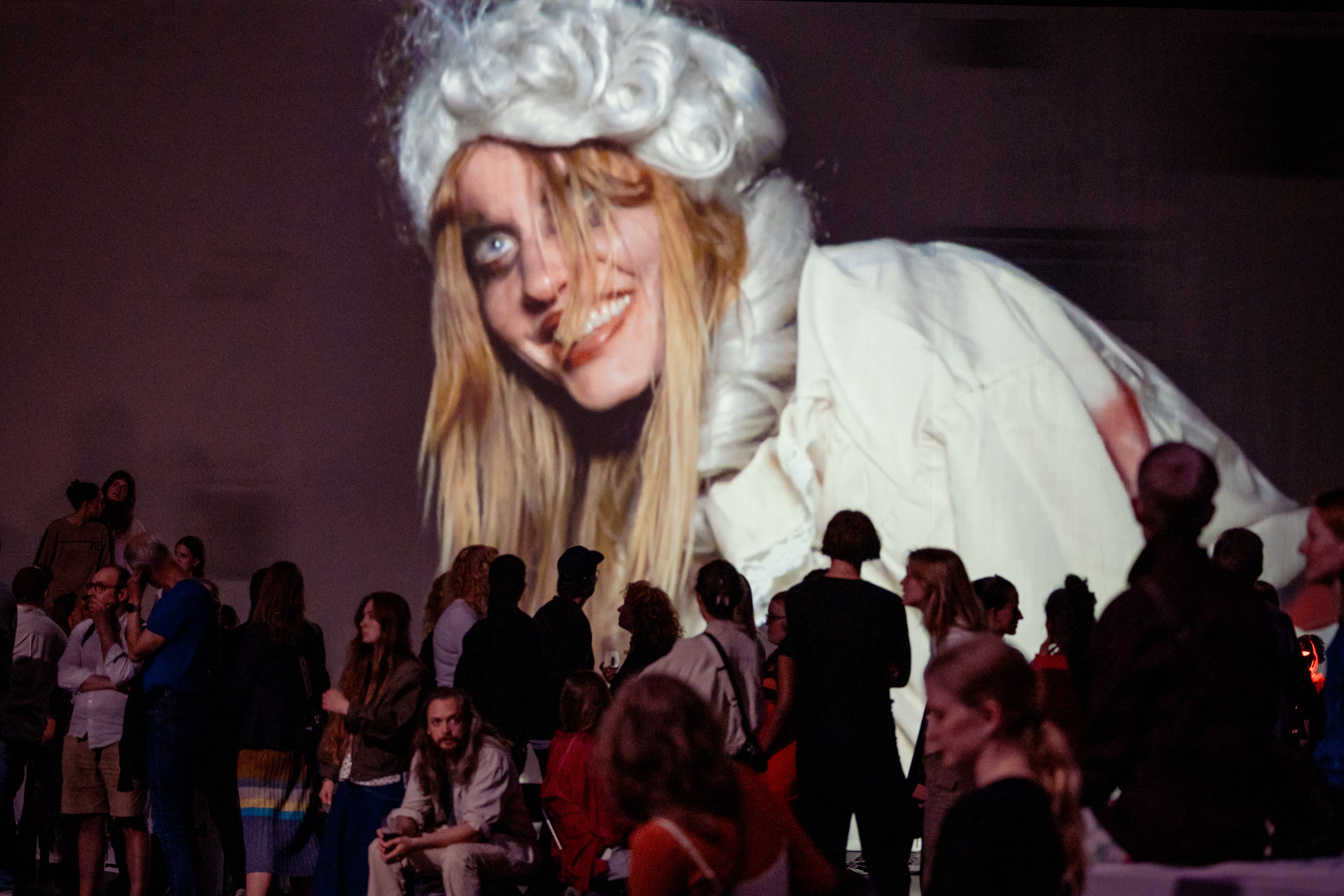
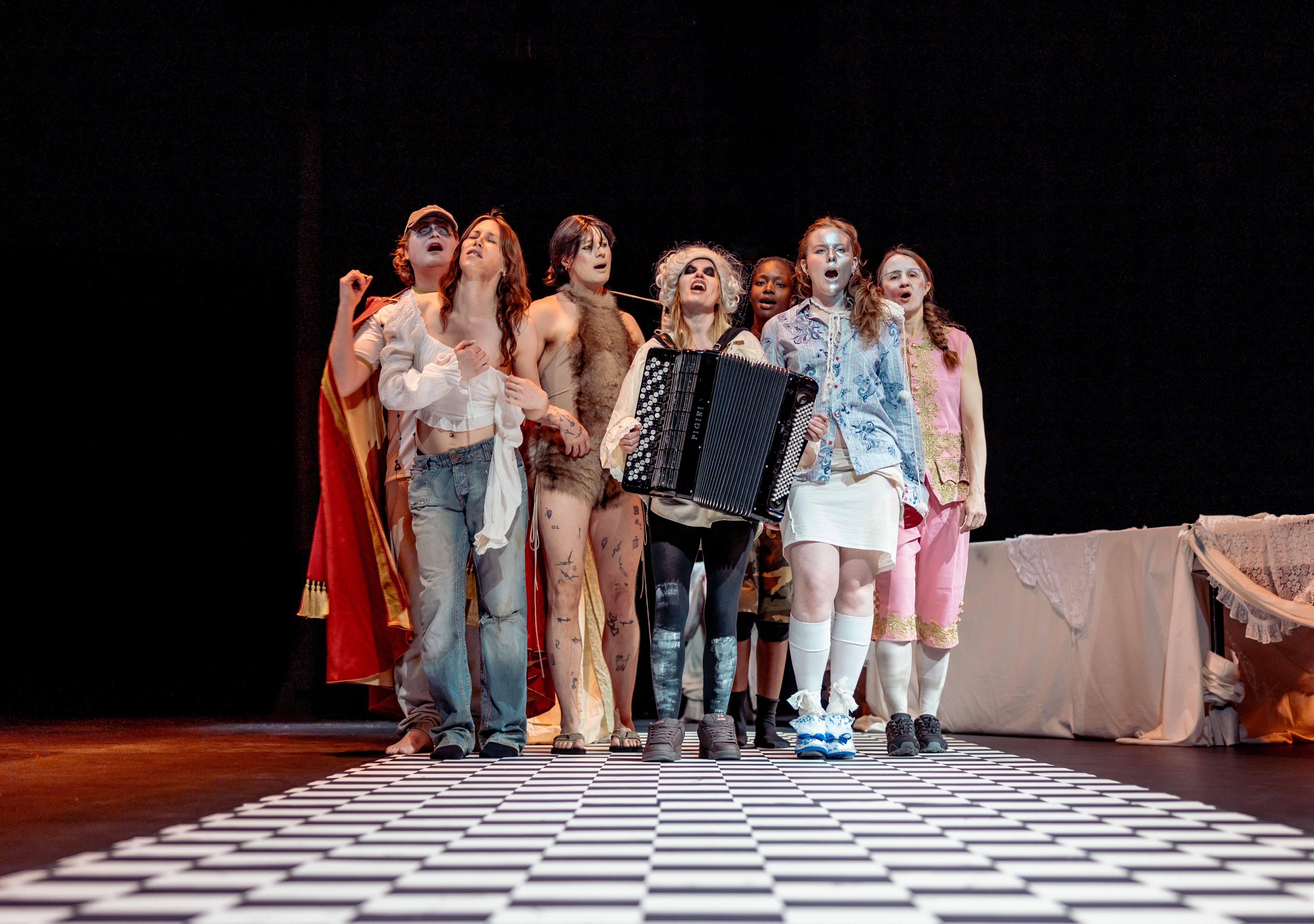
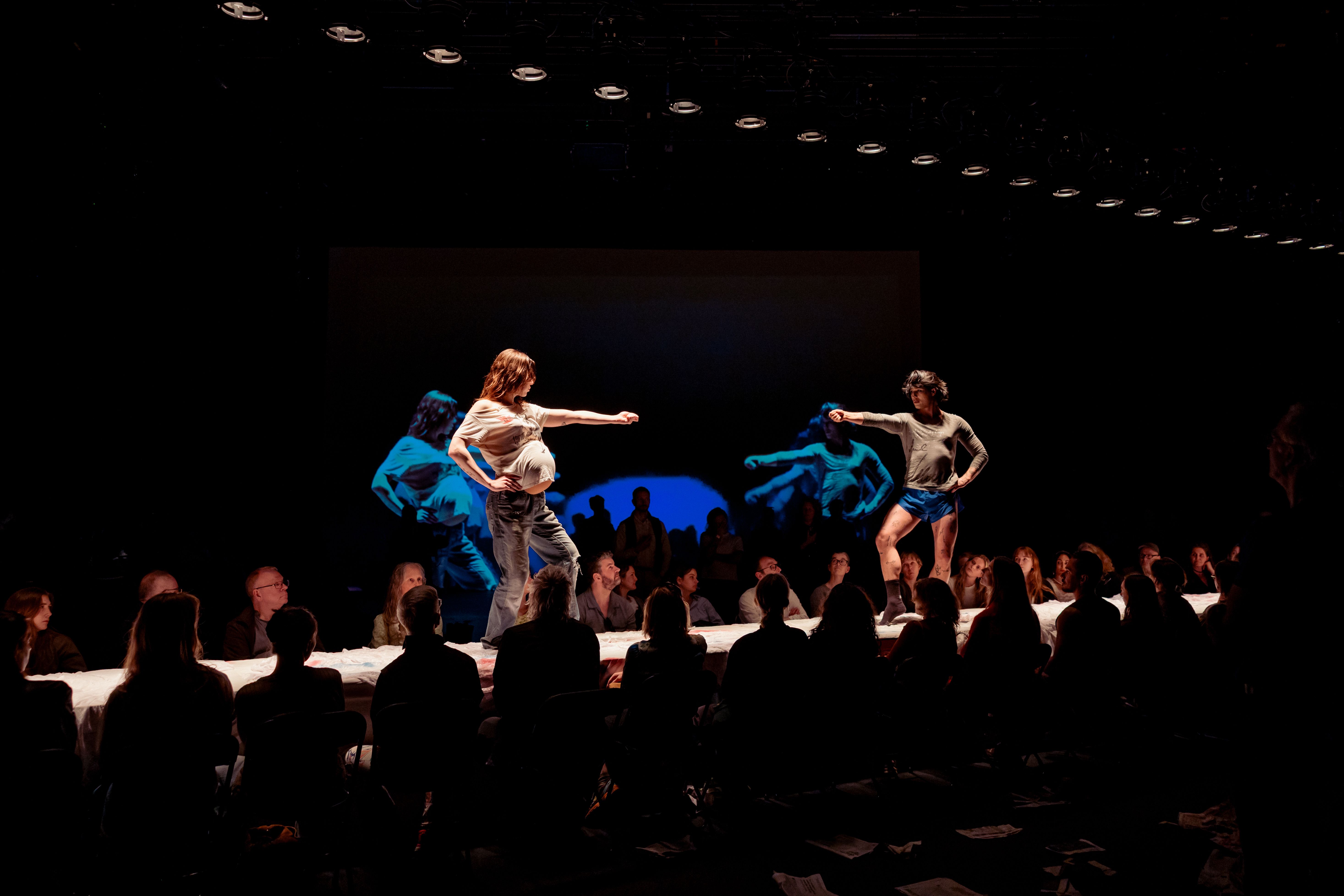
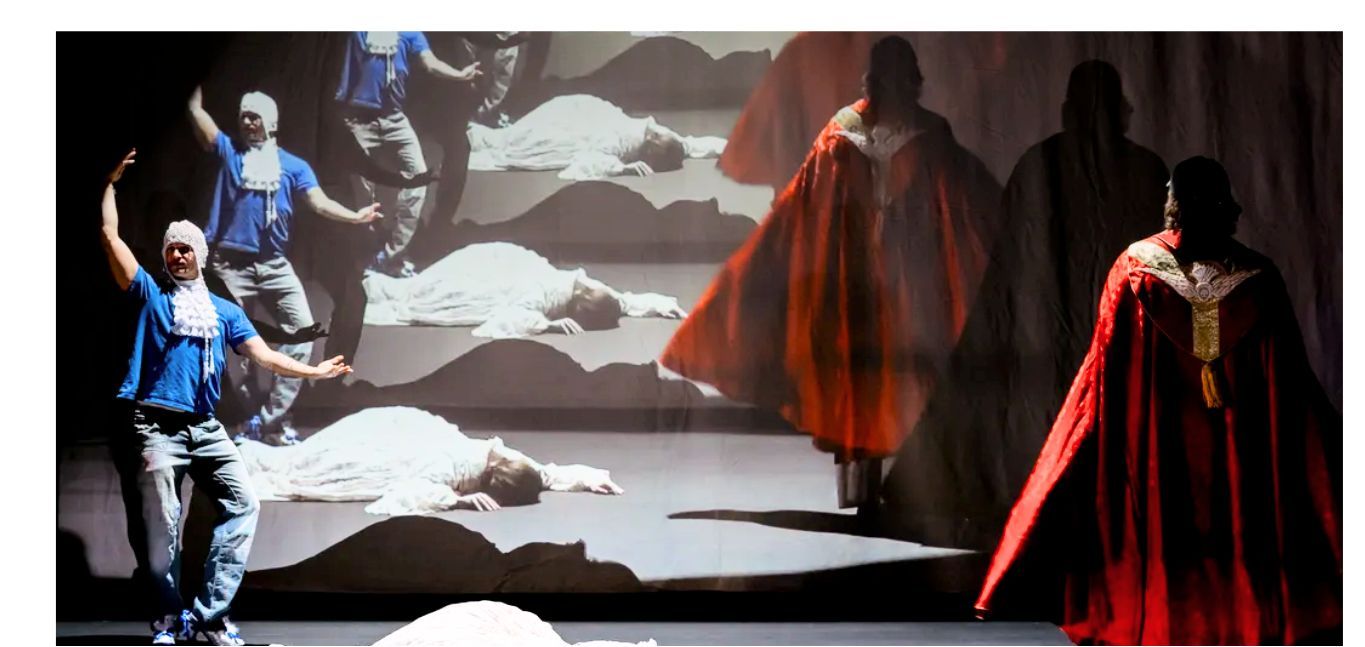
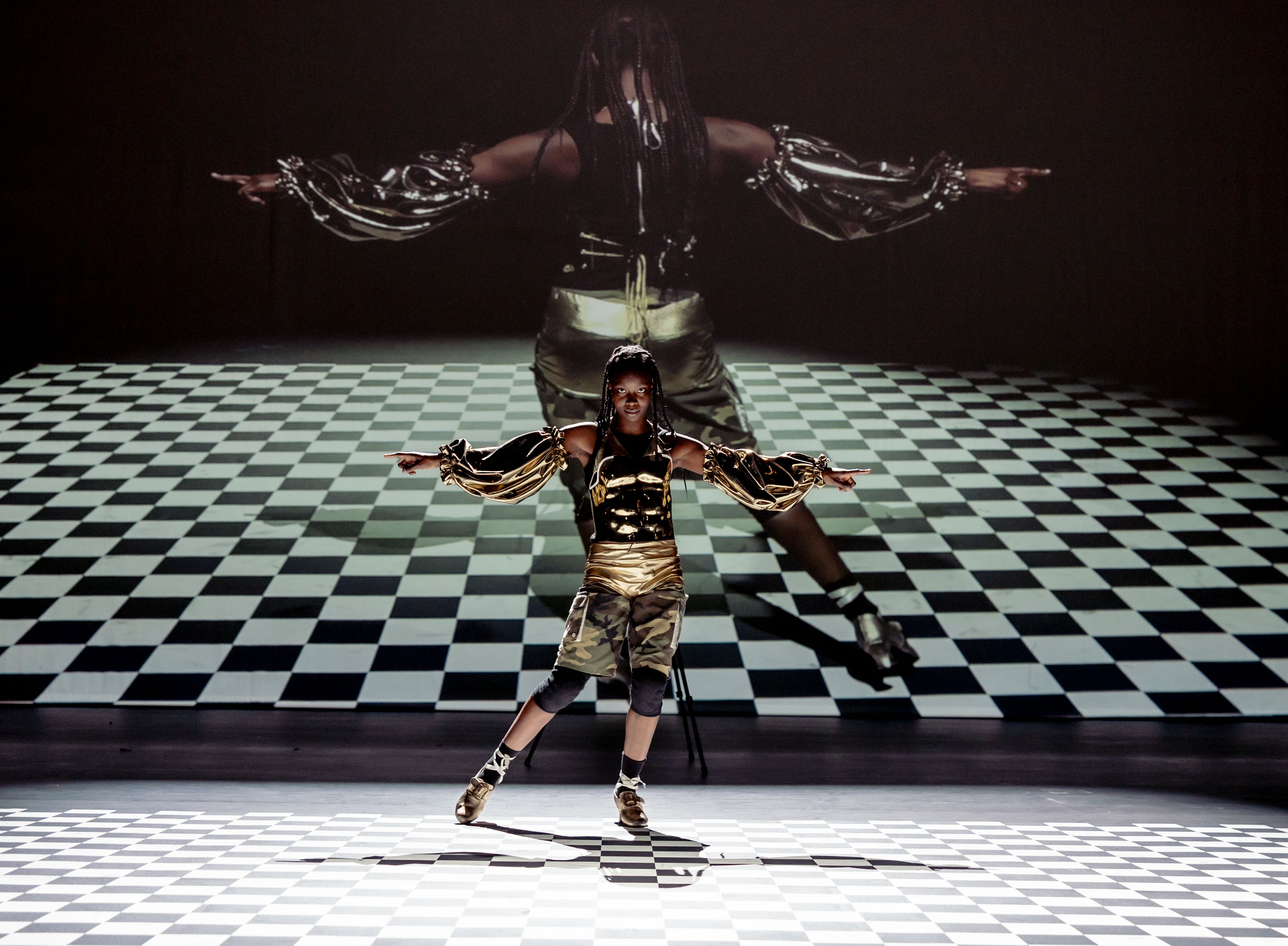
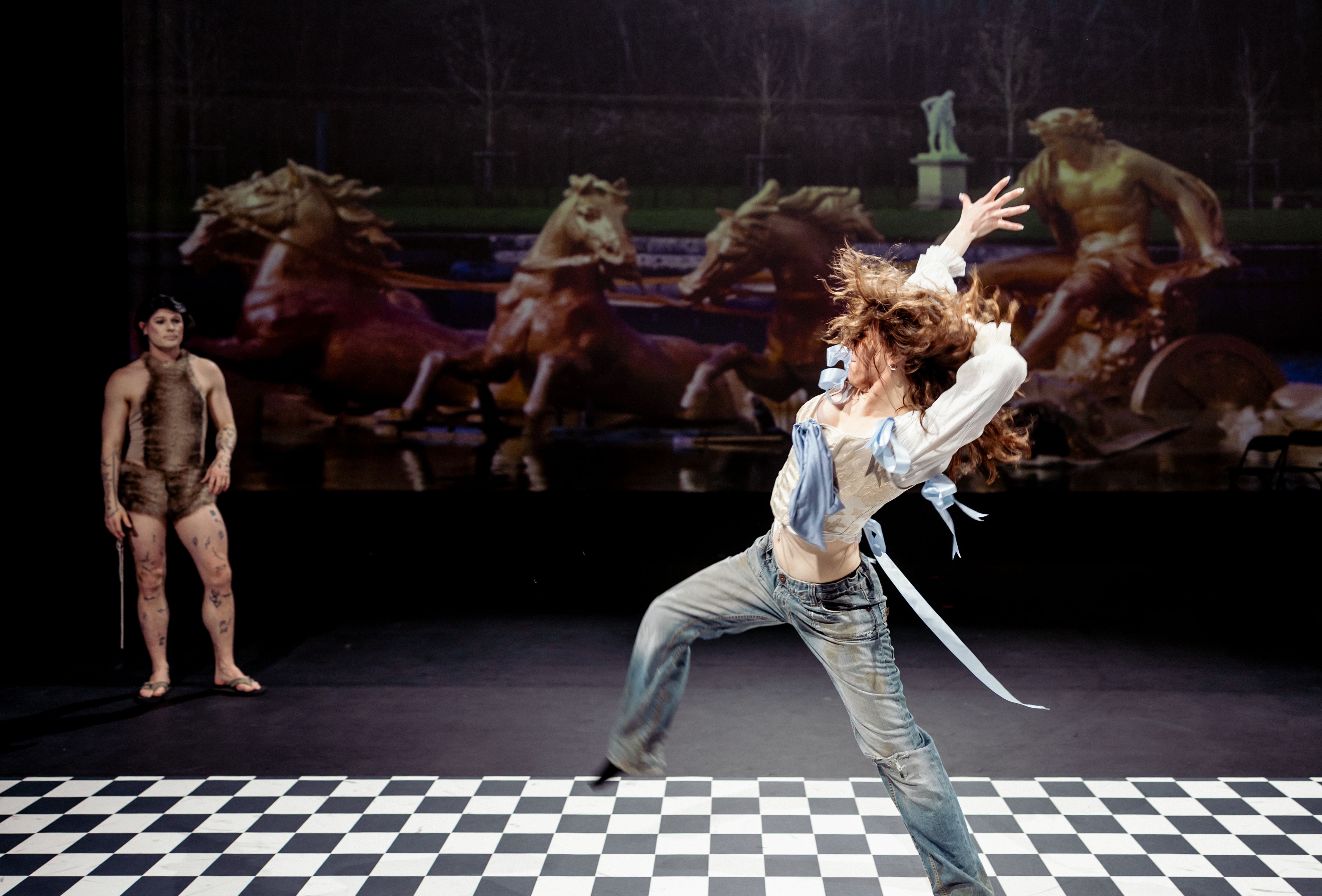
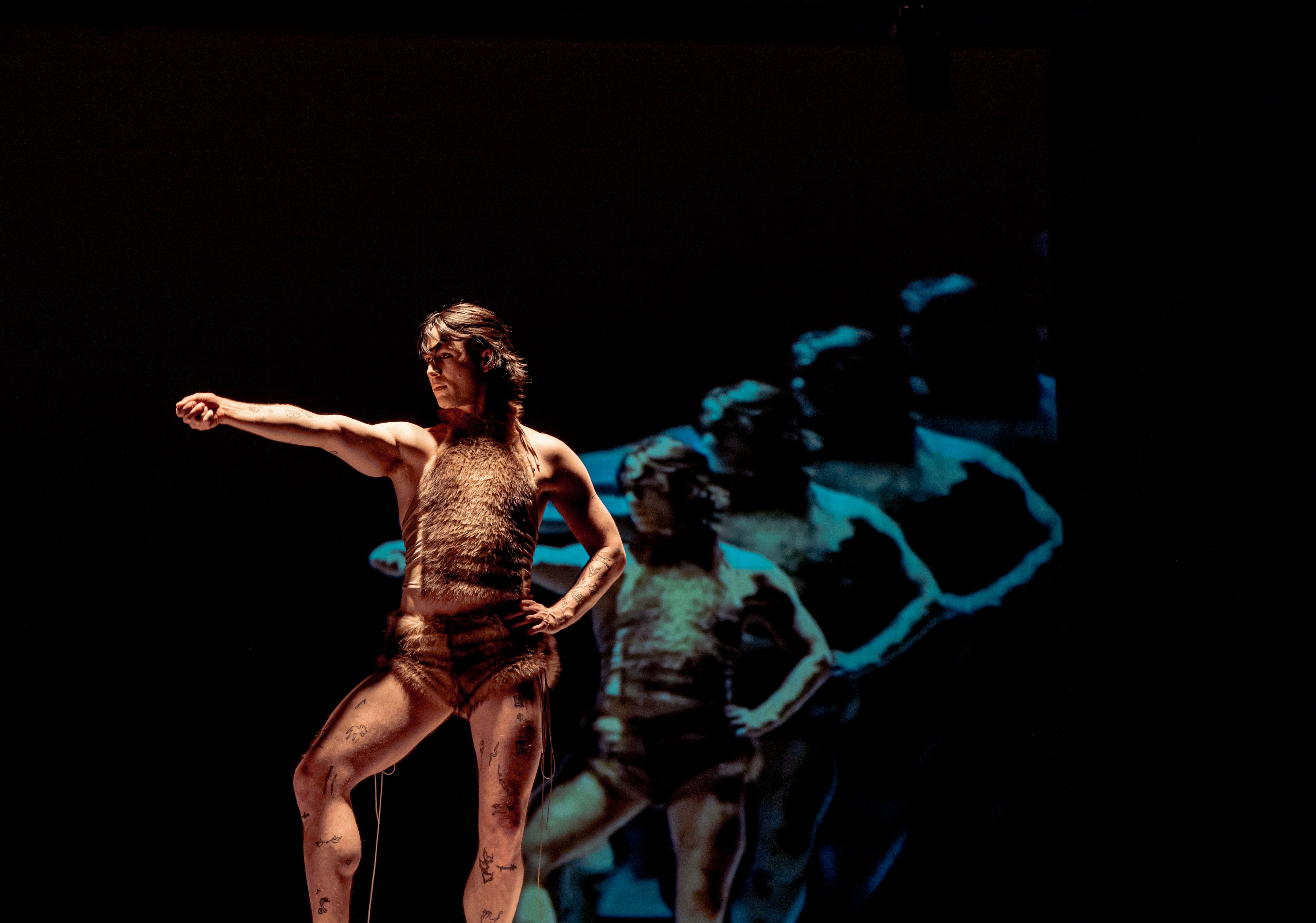
Louis XIV's wet dreams, dystopian desires, a DIY Versailles in decay, and the early modern theatre as a toxic political playground. The Court invites you into a parallel universe where past and present collide in disrupted choreographic tableaus — where mythological figures appear, riots go too far, choirs sing out of key, humans mistake themselves for animals, baroque spa sessions deteriorate, and much more.
Departing from Avery Gordon's idea that we always live side by side with the unresolved ghosts of our past, The Court brings back to life the early modern spectacles and lavish court parties staged by Louis XIV, wrenching them out of their familiar forms and entangling them with contemporary life — proposing a confused time zone.
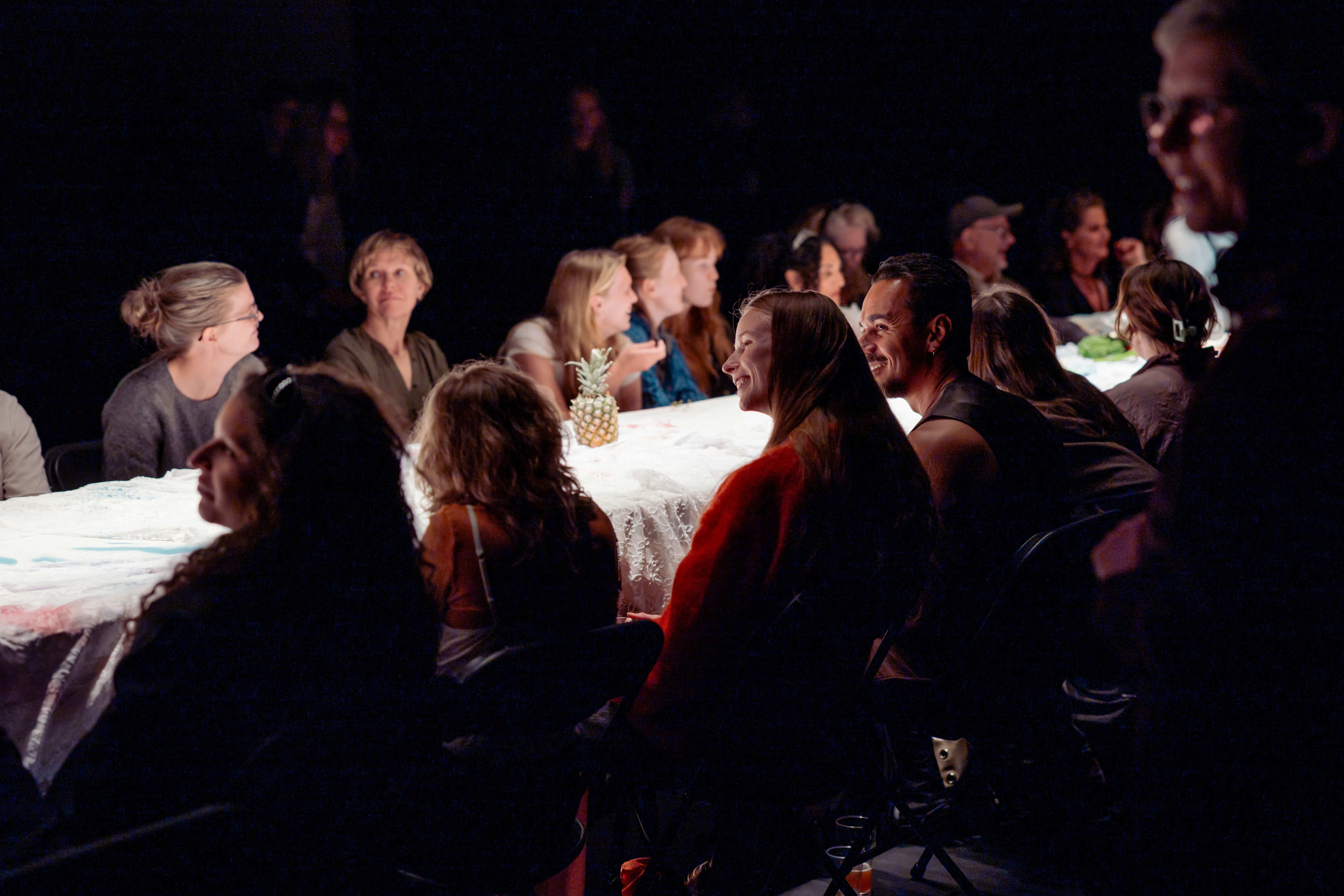
Over the course of three hours, audiences are free to move in, out, and around the space, choosing how they want to follow the ten performers through a constantly shifting landscape.
The Court is the culmination of the multi-year project Rehearsing the Not
Yet, a collaboration between choreographers Ingri Fiksdal and Louis Schou-Hansen, and Marie Nerland’s curatorial project Volt.
Credits
Concept and choreography
Ingri Fiksdal and Louis Schou-Hansen
Music
Axel Barratt-Due
Light design
Phillip Isaksen
Live video
Ingri Fiksdal and Phillip Isaksen
Scenography and costume
Vilde Espeland Brattekås and Louis Schou-Hansen
Co-creating performers
Amie Mbye, Tora Midtbø, Axel Barratt-Due, Louis Schou-Hansen, Phillip Isaksen and Ingri Fiksdal
Distribution
Nicole Schuchardt
Supported by
Arts Council Norway, Marie Nerland and VOLT, Nordic Culture Point, STIKK
Production
Fiksdal dans stiftelse / Ingri Fiksdal
Co-production
Dansens Hus, Bergen Internasjonale Teater
Photos
Tale Hendnes / Dansens Hus